Tile installation cost in Reno
$1–$25 / sq ft installed — The widest range of any material here — material cost varies enormously. Unlike carpet or laminate, where the material sits in a tight band, tile's total is driven roughly equally by what you pick and how it is laid, and both can vary tenfold.
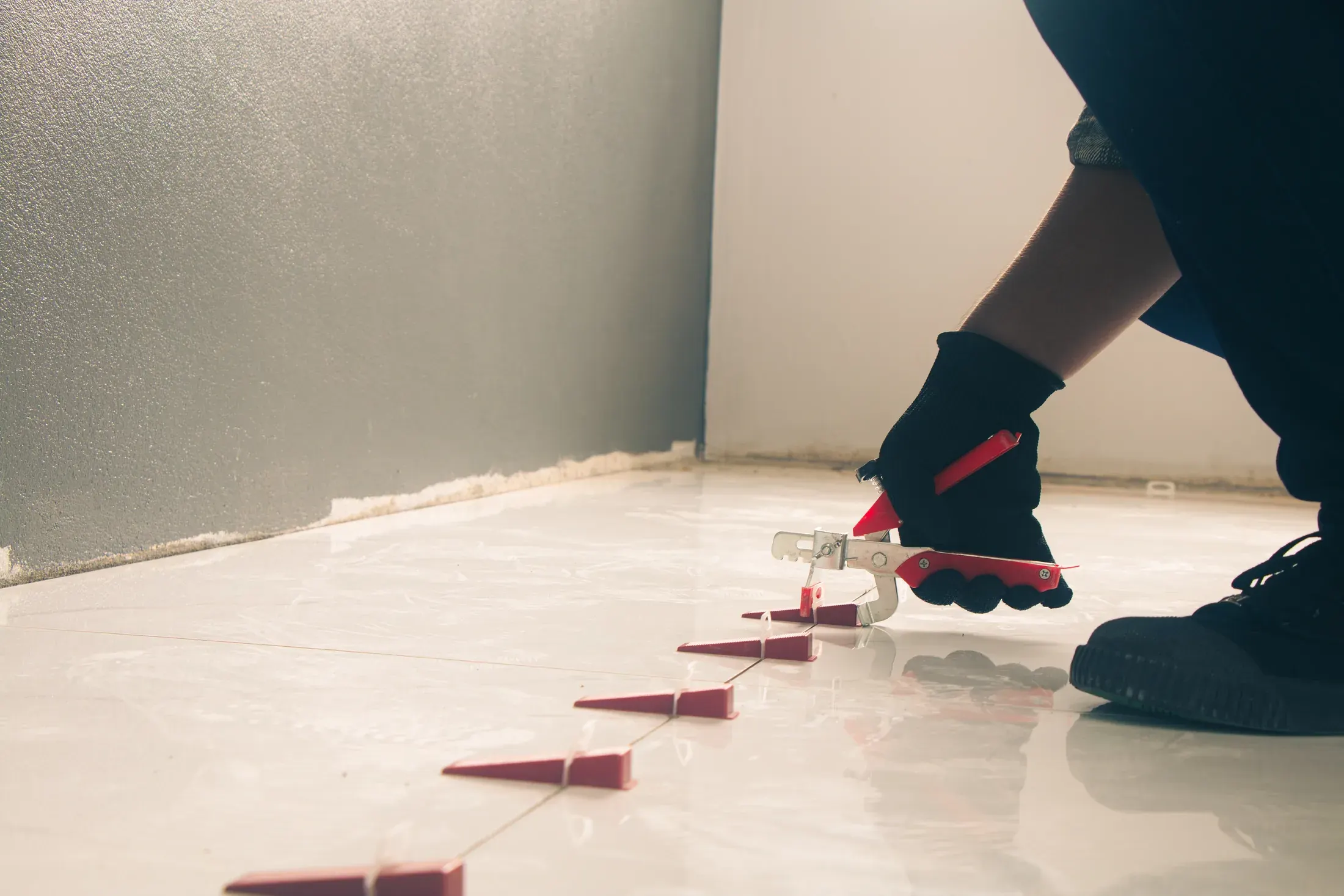
| Where in the range | Typical job |
|---|---|
| Low ($1–$5/sq ft) | Basic ceramic, 12×12 or similar, straight lay, sound existing substrate, dry room |
| Middle ($5–$12/sq ft) | Mid-grade porcelain, plank or large-format, some layout complexity, cement board or leveling, bathroom floor |
| High ($12–$25/sq ft) | Natural stone or premium porcelain, herringbone/mosaic/diagonal patterns, waterproofing membrane, heated floor, shower or wet-area work |
What moves the price within that range:
- Tile material — basic ceramic prices far below natural stone or large-format porcelain
- Pattern complexity (straight-lay vs. herringbone, diagonal, mosaic)
- Substrate prep — cement board or self-leveling underlayment adds cost
- Waterproofing membrane, required in wet areas (showers, some bathroom floors)
| Area | Low end | Middle | High end |
|---|---|---|---|
| 50 sq ft (small bathroom floor) | $50–$250 | $250–$600 | $600–$1,250 |
| 120 sq ft (kitchen floor) | $120–$600 | $600–$1,440 | $1,440–$3,000 |
| 400 sq ft (kitchen + entry + hall) | $400–$2,000 | $2,000–$4,800 | $4,800–$10,000 |
Ceramic, porcelain, or stone
Ceramic is the least expensive and easiest to cut — fine for low-traffic dry rooms and backsplashes, less ideal for a busy kitchen floor where a dropped pan can chip the glaze through to the lighter body. Porcelain is a denser ceramic fired harder: more chip- and moisture-resistant, color often runs through the body, and it is the standard pick for bathroom and kitchen floors. It costs more to buy and more to install because it is harder to cut. Natural stone — travertine, slate, marble, limestone — is the premium tier: beautiful, variable, porous, and a sealing-and-maintenance commitment that not every homeowner wants. Large-format tile (24×24 and up, or long plank formats) looks modern and reduces grout lines, but demands a very flat substrate and skilled lippage control, which raises labor.
Layout, prep, and waterproofing: the labor half
A straight lay is the baseline. Diagonal adds cutting waste and time; herringbone, chevron, and mosaics add a great deal more. Substrate prep is where honest quotes diverge from cheap ones: tile needs a rigid, flat base — cement backer board over a wood subfloor, or a self-leveling underlayment over an uneven slab — and skipping it is how tile cracks and grout fails within a couple of years. Waterproofing (a membrane under the tile) is required in showers and is good practice on bathroom floors; it is a real line item, not padding. Radiant heat mats under tile are a popular Reno bathroom upgrade given cold winter mornings, and add both material and electrical cost.
Tile vs. LVP in wet rooms: the short version
LVP ($2–$3 / sq ft) has taken a large share of the bathroom and kitchen floors that would have been tile a decade ago, because it is waterproof, warmer underfoot, faster to install, and far cheaper than mid-range tile. Tile still wins on longevity, heat tolerance, resale perception in higher-end homes, and anywhere water actually stands — shower floors, laundry rooms with a floor drain. The tile vs. LVP comparison goes through it by room.
The tile license is different: C-20, not C-16a
This is the detail that makes tile unusual. Carpet, hardwood, LVP, and laminate all fall under Nevada's NSCB Classification C-16a ("Covering Floors"). Ceramic and stone tile installation falls under a separate classification, C-20 ("Tiling"). A full-service flooring company that installs tile needs both — and in the license records behind this site's Reno flooring companies overview, several C-16a holders have a lapsed, surrendered, or never-held C-20. When you look a tile installer up at https://app.nvcontractorsboard.com, check that C-20 specifically is Active. The C-16a vs. C-20 license guide explains the split in full.
Methodology
Reno-specific per-square-foot ranges (hardwood, LVP/vinyl, laminate, carpet, tile) are compiled from a September 2026 Reno-market pull covering hundreds of local quotes, including a 778-quote hardwood-specific dataset standardized to a 1,282 sq ft home (RENO-017). Where no Reno-specific figure exists — hardwood floor refinishing — the range shown is a national proxy (Angi, updated July 2026) and is labeled as national, not local, wherever it appears. Ranges are materials + labor for a typical installation and do not include subfloor repair, furniture moving, or old-flooring removal/disposal unless stated. Rechecked quarterly.
Verified 2026-09-03. See the full cost guide for every material side by side.